Southwark Council Bulky Waste Rules for Kennington Moves: A Practical Guide for Homeowners, Tenants, and Movers
If you are moving in or out of Kennington, bulky waste can become the messy bit nobody wants to think about until the hallway is full of an old mattress, a broken wardrobe, and a chair that has seen better days. The good news is that understanding Southwark Council bulky waste rules for Kennington moves makes the whole process far easier. You can plan what stays, what goes, and what needs to be booked or handled separately without last-minute panic.
This guide breaks the process down in plain English. It explains how bulky waste typically works in Southwark, what movers should check before collection day, where people usually go wrong, and how to keep a move tidy, compliant, and surprisingly calm. To be fair, a little planning here saves a lot of stress later.
Why Southwark Council bulky waste rules for Kennington moves Matters
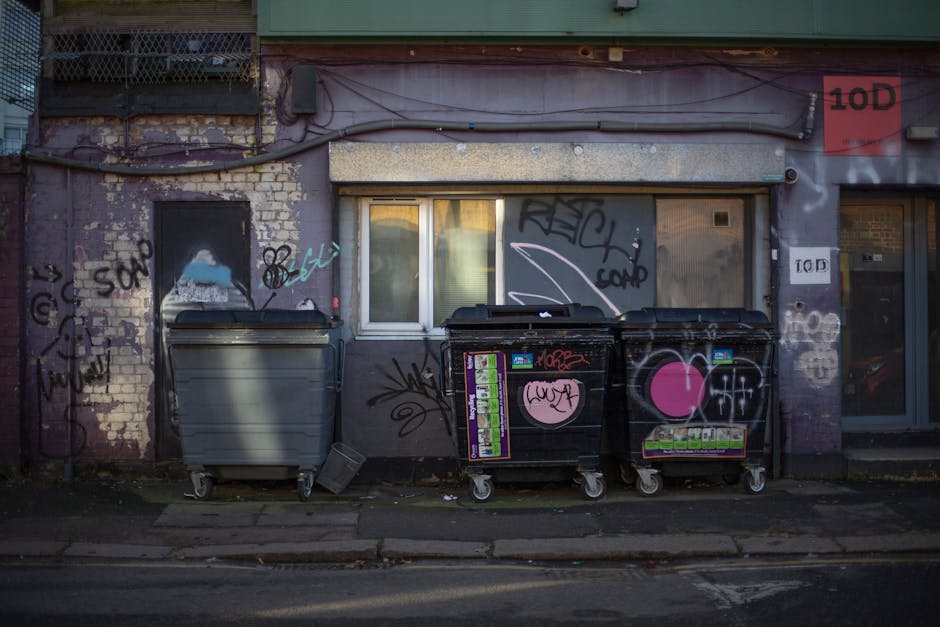
Bulky waste sounds simple until you are standing in a flat with a deadline, a lift that barely fits a suitcase, and a sofa that suddenly feels welded to the room. In Kennington, that reality is common. Flats, maisonettes, terraces, shared houses, and managed buildings all create different pressures on a move, and bulky items often become the pinch point.
Southwark Council's bulky waste rules matter because they help you understand what can be left out, what should be booked in advance, and what should not be abandoned at the kerb. If you get it wrong, you risk delays, extra costs, frustrated neighbours, or an unpleasant situation on move day when the truck is waiting and the old bed frame is still in the hallway.
There is also a wider practical point. A move is already a chain of timings: keys, parking, lift access, packing, loading, and cleaning. Bulky waste can disrupt every link. If you know the rules early, you can decide whether to use council collection, a licensed removal option, or a mix of both. That choice alone can make a difference.
For people planning a move, it is often useful to think beyond waste and look at the move as a full service chain. A lot of customers start with home moves or a flexible man and van arrangement, then realise they also need help with disassembly, loading, or disposing of a few large items. That is normal. Moves are rarely neat from beginning to end.
Key takeaway: the earlier you separate keep, donate, recycle, and dispose items, the less likely bulky waste becomes a problem on the day you move.
How Southwark Council bulky waste rules for Kennington moves Works
At a practical level, bulky waste rules usually cover large household items that are too awkward for ordinary bin collections. Think mattresses, wardrobes, tables, chairs, white goods, and other oversized items. The exact booking process, accepted items, limits, and collection arrangements can change, so it is always best to check the council's current guidance before relying on assumptions.
For Kennington moves, the most important thing is timing. If you are in Southwark, do not leave bulky items until the week of moving unless you have already checked how collection or disposal will be handled. Busy move days have a habit of exposing small gaps in planning. One missing slot for collection can unravel an entire schedule. Annoying, but common.
In many cases, the work falls into one of these paths:
- Council bulky waste collection: useful for a limited number of large items, usually if booked in advance and placed correctly for collection.
- Removal with a licensed waste route: practical when you have more items, mixed waste, or awkward furniture that is not suited to a standard council pickup.
- Reuse or resale: best where items still have usable life, especially if you are decluttering before a move.
- Donation or recycling: sensible for item types that can be diverted from landfill or given a second life.
In reality, many households use a blend of these approaches. A mattress may need one route, a dining table another, and a pile of flat-pack leftovers a third. It sounds fussy, but it is usually the cleanest way to handle it.
If you are already booking removal support, ask whether the team can handle the physical lifting and coordination around disposal. For example, removal services and a well-planned removal company can reduce the risk of last-minute lifting problems, especially in older Kennington properties where stairwells are tight and parking is never straightforward.
Key Benefits and Practical Advantages
Understanding the rules is not just about avoiding a fine or an awkward conversation with a neighbour. It has genuine day-to-day benefits, especially during a house move where time, energy, and patience are all in short supply.
- Cleaner move day: fewer objects to navigate means less clutter in hallways and communal areas.
- Better loading order: once bulky waste is out of the way, the moving team can prioritise essential items.
- Lower stress: there is something reassuring about knowing the sofa you are throwing away is actually booked, not just "dealt with somehow."
- More space for packing: clearing broken furniture early gives you proper room to stage boxes.
- Fewer surprises: advance planning helps you spot item restrictions or access issues before collection day.
There is also a cost-side advantage. If you combine proper sorting with the right removal support, you are less likely to pay for duplicated labour or multiple lift trips. In a small Kennington flat, that matters. A lot.
For people moving a full household, services like house removals or experienced house movers can be especially helpful because they keep the removal side and the disposal side from colliding. If the team can pack, move, and help organise the bulky items that must leave, the whole move tends to feel more controlled.
Who This Is For and When It Makes Sense
This topic is relevant to more people than you might think. It is not just for families doing a full house move. It applies to tenants, landlords, homeowners, flat-sharers, office organisers, and anyone inheriting or clearing a property in Kennington or nearby Southwark streets.
It makes sense to pay attention to bulky waste rules if you are:
- moving out of a rented flat and need to leave the property tidy
- replacing old furniture before completion day
- clearing out a spare room or loft before packing
- managing a probate or inherited property
- preparing a property for sale or letting
- moving a small office or studio with old furniture to dispose of
For business moves, bulky waste can be a separate headache. Desks, chairs, filing cabinets, and packaging can build up quickly. If that sounds familiar, a commercial route such as commercial moves or office removals can be the sensible choice, especially where access, timing, and building rules matter.
One small but useful clarification: not every item should be treated the same. A sofa with clean upholstery is not the same as a water-damaged mattress. A working appliance is not the same as one with exposed wiring. Sorting items honestly, not optimistically, saves time later.
Step-by-Step Guidance
Here is a straightforward way to approach bulky waste when you are moving in Kennington. Nothing fancy. Just a clean sequence that works in real life.
- Walk through every room early. Do this before packing gets chaotic. Note any large items you definitely will not take.
- Separate items into clear groups. Keep, sell, donate, recycle, and dispose. A simple pen-and-paper list is fine if you are not the spreadsheet type.
- Check access in the building. Measure hallways, doorways, stair turns, lift access, and any loading restrictions. Kennington buildings can be charming and awkward at the same time.
- Confirm what the council currently accepts. Southwark's guidance may set conditions on item type, quantity, booking lead time, and how items are presented.
- Decide whether council collection is enough. If you only have one or two large pieces, it may be suitable. If you have multiple rooms' worth, removal support may be easier.
- Book the right support early. If you need lifting help, transport, or item clearing, use a team that can coordinate the move. A flexible man with van setup can suit smaller moves, while larger jobs may need a bigger vehicle or more labour.
- Label items clearly. A simple "dispose," "donate," or "move" label prevents confusion on the morning of the move.
- Keep waste away from public areas until collection time. Communal hallways, pavements, and shared entrances should stay clear unless the collection arrangement explicitly allows otherwise.
- Do a final sweep on the day before moving. Check cupboards, loft spaces, under beds, and garden storage. The forgotten chair always turns up at the worst moment.
If you are also packing fragile items, it can be helpful to use packing and unpacking services. That reduces the chance of overfilling the rubbish pile with usable stuff that was simply mixed into the wrong box. Happens more than people admit.
Expert Tips for Better Results
After enough moves, certain habits clearly make life easier. These are the ones that tend to hold up in the real world.
- Start with the biggest objects first. If the wardrobe is not going, everything else becomes easier to pack around it.
- Keep a single disposal corner. One labelled area for bulky waste keeps the rest of the property sane.
- Use photos before you book. A quick picture of each item helps you judge whether it is worth moving, repairing, or discarding.
- Protect shared spaces. If your building has lifts, floors, or carpets that could be marked, plan for mats or wrap where needed.
- Think about weather. A wet London morning can turn cardboard and soft furnishings into a soggy nuisance very quickly.
- Match the vehicle to the job. Over-optimising with a too-small van is one of those mistakes that sounds cheap and becomes expensive by lunch.
One more practical point: if you are choosing between a basic moving service and a more structured option, consider how much lifting, dismantling, and disposal is actually involved. Sometimes a simple moving van is enough. Other times, especially with bulky items and tight staircases, you really do want a larger planned setup.
And yes, people do leave the mattress until the last ten minutes. Then they regret it. Every time.
Common Mistakes to Avoid
The biggest errors are usually simple, which is annoying because they are also easy to prevent. Here are the ones that come up again and again.
- Leaving bulky waste too late. By the time packing is nearly finished, your options are narrower and more expensive.
- Assuming every item is accepted. Do not assume a council collection will take everything in one go.
- Blocking hallways with waste. This creates a hazard and can cause complaints in shared buildings.
- Mixing recyclables with general waste. It slows everything down and often means you lose the chance to reuse useful material.
- Forgetting about building rules. Managed blocks may have moving windows, lift bookings, or access restrictions.
- Not planning for dismantling. A bed frame that seems fine in a bedroom may become impossible at the front door.
There is also a very human mistake: underestimating how much emotional clutter comes with physical clutter. That old chest of drawers is not just a chest of drawers. It may have sat in three homes. Still, if it is broken and you are not taking it, let it go. Honestly, it makes moving day kinder.
Tools, Resources and Recommendations
You do not need complicated software to manage this well. A few simple tools are enough.
- Measuring tape: useful for checking furniture widths, lift doors, and awkward corners.
- Marker pens and labels: the cheapest way to keep move day organised.
- Phone camera: great for recording item condition, access points, and anything that might need special handling.
- Basic inventory list: a notebook works perfectly if you prefer something physical.
- Strong packing materials: useful if items are being moved rather than disposed of.
From a service perspective, it is worth looking at the wider support around the move too. If you want a broader overview of a company's standards, pages like about us, insurance and safety, and recycling and sustainability can help you judge whether the operator is a good fit for a careful move.
If you are comparing providers, you may also want to review pricing and quotes so you understand what is included, especially if bulky waste handling, labour, or extra stops might change the total. And if your move is more specialised, removals near me can be a useful starting point when you want local availability without overcomplicating the search.
Law, Compliance, Standards, or Best Practice
For bulky waste, the safest rule is simple: do not dump items, do not guess, and do not leave waste where it creates nuisance or obstruction. In UK practice, households and businesses have a responsibility to dispose of waste appropriately, and local authority guidance should be followed for collection arrangements, item presentation, and booking rules.
It is also best practice to use a licensed, reputable route for waste disposal if you are not using the council service. That matters because fly-tipping can lead to real problems for the person whose waste it is, even if someone else physically removed it. A surprisingly common mistake is handing items to an unverified collector who promises "cheap clearance" and then vanishes. Not ideal. Not even close.
Good practice usually means:
- keeping proof of booking or collection where available
- checking that your items are allowed before placing them out
- avoiding obstructions in shared spaces or pavements
- using careful handling for sharp, heavy, or broken items
- separating reusable goods from waste wherever possible
For households and businesses alike, professional handling can support these standards. If you are unsure whether the job is a simple clear-out or a larger relocation, removal company support is often easier to coordinate than trying to manage the waste and move separately. For heavier furniture specifically, furniture pick up can be a practical route when the item is still usable or simply needs removing without fuss.
Options, Methods, or Comparison Table
Most Kennington moves come down to choosing the least stressful route, not the fanciest one. Here is a simple comparison of common bulky waste options.
| Option | Best for | Strengths | Limitations |
|---|---|---|---|
| Council bulky waste collection | One-off large items | Structured, familiar, often suitable for smaller jobs | May have booking rules, item limits, or timing constraints |
| Removal company with waste coordination | Moves with mixed furniture and disposal needs | Convenient, saves time, can handle lifting | Usually more expensive than a single council pickup |
| Man and van support | Small to medium moves | Flexible, efficient, good for awkward access | May not suit very large loads or complex clearances |
| Reuse or donation | Usable furniture and household goods | Good value, eco-friendly, reduces waste | Not every item is suitable |
If your move is mostly furniture and boxes with just a couple of bulky pieces, a man and van removals option can be a neat middle ground. For larger homes or more furniture-heavy jobs, the better fit may be house removalists with a proper vehicle and team. Simple as that, really.
Case Study or Real-World Example
Picture a couple moving from a two-bedroom flat near Kennington. They have a bed base, a wardrobe, two armchairs, a broken TV unit, and a stack of packaging from furniture deliveries that have piled up in the corner by the window. They also have a moving deadline in three days. That is the kind of scenario where bulky waste becomes a real issue, not a side task.
They start by separating what will go to the new place from what will not. The TV unit is beyond repair, the armchairs are still usable but not needed, and the bed base has to be dismantled. They check access in the building, realise the lift is too small for one item unless it is broken down, and decide to combine disposal with the move rather than try to handle it all themselves.
By using a planned removal setup, they keep the disposal items together, move the keep items in one run, and avoid leaving waste in the communal hall overnight. The result is boring in the best way. No complaints from neighbours. No blocked exit. No awkward last-minute dash to find a second vehicle.
That is usually what good planning looks like. Not dramatic. Just tidy, steady, and kind to your future self.
Practical Checklist
Use this checklist a few days before moving:
- List every bulky item you do not want to take
- Check Southwark's current bulky waste guidance
- Confirm booking requirements and collection timing
- Measure large furniture and key access points
- Decide what will be reused, donated, recycled, or disposed of
- Label items clearly for movers or collection
- Keep hallways, entrances, and pavements clear
- Arrange the right vehicle and labour for heavy lifting
- Photograph items if condition may matter later
- Do a final room-by-room sweep before the removal team arrives
Quick summary: if you plan early, sort honestly, and keep access clear, bulky waste becomes a manageable part of the move rather than the thing that throws everything off.
Conclusion
Southwark Council bulky waste rules for Kennington moves are really about one thing: making sure large items are handled in a way that is safe, tidy, and realistic for the pace of a house move. The more you prepare, the less likely you are to run into delays, blocked hallways, or that awful feeling of realising a sofa is not going anywhere by itself.
The best approach is simple. Sort early. Check the current collection rules. Decide what needs recycling, reuse, or removal. And if your move involves awkward furniture, tight access, or a lot of lifting, use support that matches the job rather than hoping the problem will sort itself out. It rarely does.
Get a free quote today and see how much you can save.
When the plan is clear, the move feels lighter. And that is worth a lot, especially on a busy Kennington street with a van waiting, a kettle packed away, and a long day ahead.
Frequently Asked Questions
What counts as bulky waste in a Kennington move?
Bulky waste usually means large household items that do not fit in ordinary bins, such as beds, wardrobes, sofas, tables, mattresses, and some appliances. The exact classification depends on the collection route you use, so always check the current guidance before booking or leaving anything out.
Can I leave bulky items outside my property before collection?
Only if the collection arrangement allows it and you can do so without causing an obstruction. In shared buildings, it is often better to keep items inside until the agreed time. Hallways, pavements, and entrances should stay clear wherever possible.
Do I need to book bulky waste collection in advance?
In most cases, yes. Advance booking helps avoid missed collections and confusion on moving day. If you leave it too late, your options may narrow quickly, which is exactly the kind of stress you do not want.
What if my bulky item is still usable?
If it is in decent condition, consider reuse, donation, or furniture collection support instead of disposal. Usable furniture is often better redirected than thrown away, and that can also save you from paying for unnecessary waste handling.
Is council collection always the cheapest option?
Not always. It can be cost-effective for a small number of items, but if you have multiple bulky pieces, awkward access, or a full move to coordinate, a removal service may be better value overall because it reduces labour and delays.
What happens if I put out items that are not accepted?
They may not be collected, which can create a mess and delay your move. That is why it is worth checking item eligibility in advance. Guessing is a bad strategy here. Cheap, yes. Wise, not really.
Can movers help with bulky waste as part of the move?
Often they can help with lifting, loading, and transport, and some teams can coordinate disposal-friendly planning. If your move includes unwanted furniture, it is sensible to ask in advance whether the service can support that part of the job.
How do I avoid problems in a flat or shared building?
Book carefully, keep shared spaces clear, protect walls and floors where needed, and tell neighbours or the building manager if your move may briefly use common areas. Good communication goes a long way in blocks and terraces alike.
Should I dismantle furniture before disposal or moving?
If it helps access or makes the item safer to carry, yes. Dismantling large furniture can save time and reduce the chance of damage. Just keep screws and fittings in labelled bags so you are not hunting for them later.
What is the safest way to handle broken or sharp bulky items?
Wrap sharp edges, separate glass or metal parts if possible, and never carry damaged items without proper grip or protection. Safety first. It sounds obvious, but in the middle of a move people can get rushed and that is where little accidents happen.
Do offices in Kennington need to follow the same bulky waste thinking?
The basics are similar, but office moves often involve more furniture, more access rules, and a tighter schedule. For that reason, businesses usually benefit from a more structured removal plan and a provider used to commercial logistics.
What should I do the day before moving if bulky waste is still unresolved?
Pause and prioritise. Separate the items clearly, confirm the booking or removal plan, and do not leave anything where it could block access. If needed, switch to a more practical removal option rather than forcing a half-finished plan.
If you are planning a move and want a smoother way to handle the furniture and waste side together, it can help to speak with a local team that understands the pace of Kennington moves, the pressure of tight turnarounds, and the realities of London access. A calm plan is usually the best plan.