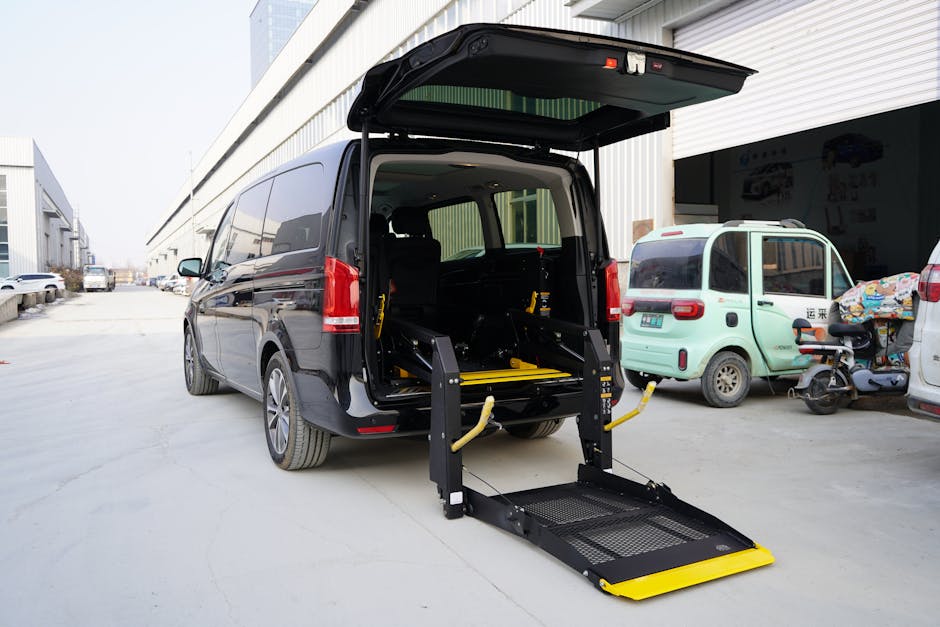
Narrow streets access problems Kennington removals solutions
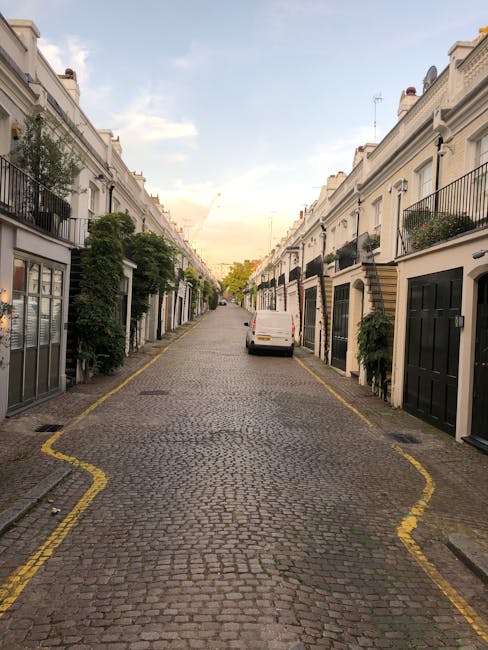
If you are moving in Kennington, you will already know the issue: the streets can be tight, parking is awkward, and a perfectly ordinary removal day can turn into a small logistical puzzle. Narrow streets access problems Kennington removals solutions is really about making that puzzle manageable before the van ever arrives. The good news is that with the right planning, the right vehicle, and a crew that understands local access quirks, most of the stress can be taken out of the day.
This guide walks through the practical side of moving in Kennington's narrower roads and mews-style access points, from timing and parking to van choice, packing, and backup plans. It is written for real people doing real moves, not a neat little theory exercise. Because let's face it, the box that matters most is usually the one you can't find at 7:40 on moving morning.
Why narrow street access problems Kennington removals solutions Matters
Kennington is a brilliant place to live, but moving there can be fiddly. Streets can be narrower than people expect, corners can be tight, and parking may be limited or shared with residents who are understandably protective of their spaces. If a van cannot stop close to the front door, everything slows down: carrying becomes longer, labour costs can rise, and fragile furniture is exposed for longer than you would like.
That is why access planning is not just a "nice to have." It affects the cost, timing, safety, and even the success of the move. A removal crew that understands SE11 access patterns will usually ask different questions from a generic operator. They will want to know whether the property is on a cul-de-sac, whether there are bollards, whether stairwells are narrow, and whether there is any realistic turning space for the van. That sounds fussy. It is actually just smart.
If you are comparing providers, it can help to start with a broader view of what local moving support includes. The services overview and Kennington removals SE11 pages are useful starting points for understanding how a local team can handle different access conditions. For pricing clarity, you may also want to look at pricing and quotes before you lock anything in.
Practical takeaway: in narrow streets, the move is won or lost in the planning stage, not on the day.
How Narrow streets access problems Kennington removals solutions Works
In practice, a good solution is a combination of assessment, vehicle choice, loading strategy, and timing. The aim is simple: reduce the distance between the van and the property, reduce the number of hand-carries, and keep the move flowing without blocking the road or upsetting neighbours. Simple on paper. A little less simple when a delivery van is already parked where you wanted to stop.
Here is how it usually works. First, the mover checks the property details and any access notes. Then they decide whether a full removal van is suitable or whether a smaller vehicle such as a man and van setup is more sensible. On narrow roads, a smaller vehicle can be the better call because it may park more safely and manoeuvre more easily. For some jobs, that means using man and van services in Kennington or a man with a van approach rather than forcing a large lorry into a street that was never meant for it.
Next comes the loading plan. Heavy items go first if the vehicle is close enough. If not, the team may break the job into staged carries. Packing matters too: properly labelled boxes, protected corners, and furniture that has been dismantled where sensible all reduce delay. If you have bulky items, the furniture removals in Kennington service can be especially helpful because it is built around handling larger pieces without needless shuffling in cramped spaces.
Finally, timing is adjusted. Early starts can sometimes be better because roads are quieter. Other times, a midday slot is safer if school traffic or commuter flow is a problem. Truth be told, there is no single magic hour for every street. There is just the best compromise for that street, that day, and that property.
Key Benefits and Practical Advantages
Getting the access plan right does more than make life easier. It can change the whole tone of the move.
- Less carrying distance: fewer trips mean less fatigue, lower risk of drops, and a cleaner finish.
- Better protection for furniture: narrow hallways and tight kerbs can be rough on doors, mirrors, and table legs.
- More predictable timing: when the van can stop properly, the team can work at a steadier pace.
- Lower chance of disputes: good planning reduces the odds of blocked driveways, neighbour complaints, or last-minute parking panic.
- Smarter costs: efficient loading and a realistic vehicle choice often prevent overtime and avoidable callouts.
There is another benefit people underestimate: calm. Moving day already has enough moving parts. If the access side is under control, everyone tends to breathe easier, and that matters more than people admit. You feel it around the edges: less shouting, less backtracking, fewer "where did that box go?" moments.
If you are moving on a tight schedule, same-day support can also be part of the solution. In some situations, same day removals in Kennington are useful when keys, handovers, or delayed access compress the timetable. Not ideal every time, but useful when life does its little joke and everything lands at once.
Who This Is For and When It Makes Sense
This topic matters to more people than you might think. Narrow street access problems affect flat moves, house moves, student moves, and office relocations. They also matter for people moving into conservation-style streets, converted properties, smaller terraces, and homes near busy junctions where stopping space is limited.
You will probably benefit from this kind of planning if:
- your street has restricted parking or a very narrow carriageway;
- you live in a flat above ground floor level;
- the property is on a one-way street or near a corner;
- large furniture needs to pass through a tight entrance;
- you are moving at peak traffic time;
- you need to minimise disturbance to neighbours;
- you have a fixed moving window and cannot afford delays.
Students often need this help because student accommodation can be compact and stair-heavy. Home movers need it because family furniture rarely shrinks to fit the pavement. Office moves are different again: there may be lifts, loading rules, or awkward access to consider. If that sounds familiar, the pages for student removals, house removals, and office removals can help you match the job to the right type of service.
One small but important point: not every move needs a big vehicle. Sometimes a smaller van and a better carrying plan are simply smarter. You do not need to prove anything to the street.
Step-by-Step Guidance
Here is a practical way to handle narrow street access without making the move feel like a military operation.
- Map the access properly. Look at the street width, nearby parked cars, any dropped kerbs, and how the van would turn in and out. If possible, stand outside the property at the time of day you plan to move.
- Measure the awkward bits. Door widths, stair turns, and hallway corners matter. A sofa that looks manageable in the lounge can become a problem on a landing.
- Tell the removals team everything. Be honest about the fourth-floor walk-up, the broken lift, the low archway, or the neighbour who always parks just there. Surprises cost time.
- Choose the right vehicle. If the road is too tight for a larger vehicle, a smaller van may be the better option. A good mover will say so plainly rather than forcing the issue.
- Pack with access in mind. Keep the heaviest items in small boxes, label fragile loads clearly, and dismantle bulky furniture where appropriate.
- Reserve the best loading position you can. Sometimes this is a legal parking bay, sometimes it is a permissive stopping area, and sometimes it means agreeing a fallback point a short walk away.
- Keep a corridor clear. It sounds obvious, but hallways fill up quickly with coats, bags, recycling, and the odd child's scooter. Clear space saves time.
- Build in breathing room. Even a good plan needs slack for unexpected delays. A little flexibility goes a long way.
If you want a broader checklist for the district itself, the SE11 removal checklist for council estates offers useful context for buildings and access conditions that can add extra complexity.
Expert Tips for Better Results
In our experience, the best moves in tight streets are the ones where nobody is trying to improvise too much on the day. A few habits make a proper difference.
- Use a smaller load per trip. Heavy, overpacked boxes are a nuisance in narrow stairwells and can slow everyone down.
- Protect the route. Floor coverings, corner protectors, and sensible wrapping matter more in tight spaces because the margin for error is smaller.
- Keep the first-load items together. Essentials, keys, documents, kettle, and basic tools should not be buried under six boxes of books. Been there, sadly.
- Check lift and access rules in advance. Some buildings have time windows, booking rules, or loading restrictions that are easy to miss.
- Confirm parking realities, not assumptions. A street that looks fine on a Sunday can be a different world on a weekday morning.
- Use storage if the timing is messy. If completion, key release, and access do not line up neatly, short-term storage can stop the whole plan from collapsing.
Storage is one of those options people often delay until the last minute, but it can make a cramped move much simpler. If your timings are awkward, have a look at storage options as part of the wider plan. The placeholder in that URL looks odd, yes, but the point is the same: flexibility can save a move from becoming chaotic.
A final tip: ask the removal team how they would approach the street before you book. If they speak confidently about manoeuvring, parking, and load order, that is a good sign. If they sound vague, keep asking. Narrow streets reward specificity.
Common Mistakes to Avoid
Most access problems are predictable. The frustrating part is that people often spot them only after the van is already circling the block.
- Assuming a large van will fit. A road may look wide enough on a map, but parked cars and corner angles change everything.
- Underestimating carrying distance. A short street can still mean a long walk if the van cannot stop close to the building.
- Not warning the movers about stairs or lifts. This affects staffing, timing, and whether furniture needs dismantling.
- Packing everything into oversized boxes. That is a classic mistake. It is also how backs get grumpy.
- Ignoring neighbour access. Shared entrances and resident parking can complicate loading faster than people expect.
- Leaving planning until moving day. By then, the options are smaller and the stress is bigger.
There is also a money mistake that comes up again and again: not checking what is and is not included in the quote. If access is awkward, some providers may need extra time or specific vehicle arrangements. That is not automatically unfair, but it should be clear. The article on avoiding hidden fees in Kennington removals is worth reading if you want the blunt version of that conversation.
Tools, Resources and Recommendations
You do not need a suitcase full of gadgets to solve narrow street access issues. But a few tools and habits make the job cleaner.
- Printed or saved access notes: useful for the crew and for you when the phone signal acts up.
- Basic measuring tape: worth having for doors, furniture, and awkward gaps.
- Labels and marker pens: help speed up unloading when the van cannot park right outside.
- Furniture blankets, straps, and wrap: protect pieces when carrying them through tight routes.
- Parking and timing notes: even simple written notes about busy periods can prevent guesswork.
- Spare keys and access codes: keep them with the person who will actually be on site.
For anyone wanting to compare the practical side of service options, the removal van Kennington page can help you think through whether a van-only setup or a fuller team is the right fit. If you are balancing cost and flexibility, it is also sensible to review our prices before making a final decision.
On the admin side, sensible preparation also means checking payment details, insurance, and security information before any money changes hands. That sounds dull, I know, but dull is good when you are moving. Relevant pages include payment and security and insurance and safety.
Law, Compliance, Standards, or Best Practice
For most home moves, the main compliance concerns are practical rather than legal drama. The biggest issues are parking, obstruction, safe loading, and keeping everyone reasonably protected. In London, local parking rules and street restrictions can vary by location, and that is why movers should never assume they can simply stop wherever looks convenient. If a permit, loading bay, or timed stop is needed, check it in advance through the proper local route.
From a safety point of view, good removals practice usually means lifting sensibly, using adequate protection for furniture and property, and planning the job so that nobody is forced into unsafe carrying. That includes avoiding overloading boxes, keeping routes clear, and using the right number of people for heavier items. It is not glamorous, but it is what keeps the day from going sideways.
There are also broader trust factors worth checking. A reputable local company should be clear about its terms, complaints process, sustainability stance, and health and safety approach. Those details may sound like back-office material, yet they matter when the move gets complicated. You can review the company's health and safety policy, terms and conditions, complaints procedure, recycling and sustainability, and about us pages when comparing providers.
One more sensible point: accessibility should be considered carefully if a property has steps, narrow entries, or limited mobility access. A good mover should think about the route, not just the destination. There is a real difference between a company that can move things and one that can move things safely.
Options, Methods, or Comparison Table
Different access problems call for different solutions. Here is a simple comparison to help you think it through.
| Method | Best for | Strengths | Watch-outs |
|---|---|---|---|
| Small van with helper | Very narrow streets, short carries, smaller loads | Easier to park, easier to manoeuvre, often quicker in tight roads | May need multiple trips for bigger moves |
| Full removal van | Moderate access, larger household moves | Better for volume, fewer journeys, more efficient packing | Needs enough stopping space and turning room |
| Staged move with storage | Delayed access, completion gaps, awkward handover timing | Reduces pressure on moving day and gives flexibility | Extra coordination and possible storage cost |
| Same-day removals | Last-minute changes, urgent handovers, compressed timing | Fast response, useful when plans shift suddenly | Best for well-organised loads; availability can vary |
To be fair, many moves use a blend of these methods. A ground-floor flat on a tight street may work perfectly with a smaller van, while a family house with tricky parking may need a larger team and a more staged approach. The right answer is the one that fits the street, not the one that looks neat on a brochure.
Case Study or Real-World Example
Imagine a two-bedroom flat on a narrow Kennington street with resident parking on both sides and no obvious space for a long van to sit outside the building. The move includes a sofa, a dining table, bed frames, and several boxes of books. Nothing absurd, just the sort of load that seems manageable until you see the road.
In that situation, the sensible approach is usually:
- pre-move access check with photos or a quick site visit;
- smaller vehicle selection rather than forcing a larger van into a squeeze;
- furniture dismantling before loading day;
- clear box labelling so unloading is fast once the van can stop;
- early start to reduce conflict with traffic and parking pressure;
- a backup stopping point if the immediate frontage is blocked.
Now, here is the part people often miss: the move does not become "less professional" because a smaller van is used. In fact, it can be more professional because the solution respects the street. That is usually the difference between a smooth day and a frustrating one where everyone spends too long looking for a place to stop. If you want more local context, the article on Kennington Station access for removal vans is a handy example of how local access knowledge changes the game.
And yes, sometimes the best move plan is the one that looks slightly boring from the outside. That is the goal, really. Boring moving day is a compliment.
Practical Checklist
Use this checklist a few days before the move, then again on the morning itself.
- Confirm the exact street access conditions and any known parking restrictions.
- Tell the removal team about stairs, lifts, narrow gates, and awkward turns.
- Measure large furniture and doorways.
- Choose the right vehicle size for the road and the load.
- Keep essentials separate and clearly labelled.
- Protect fragile items and dismantle bulky furniture where needed.
- Check whether storage is needed if access or timing is uncertain.
- Review pricing, insurance, payment, and terms in advance.
- Make sure keys, codes, and contact numbers are ready.
- Leave a clear path through the property for carrying items out.
- Have a backup plan if the street is blocked on arrival.
Quick reminder: the smoothest moves usually come from ordinary preparation done well, not heroic problem-solving at the kerb.
Get a free quote today and see how much you can save.
Conclusion
Narrow streets in Kennington do not have to derail a move. They just require a bit more thought, more honest planning, and a removal approach that matches the street rather than fighting it. Once you treat access as part of the job, not an annoying extra, everything becomes easier to manage.
The real win is simple: fewer surprises, safer carrying, better timing, and less pressure on the day. Whether you need a smaller vehicle, staged loading, storage, or a full-house removal plan, the answer is usually there if you look at the move properly from the start. That, more than anything, is what makes narrow street removals feel under control.
And if you do it right, the street that looked impossible in the morning just becomes part of a very ordinary good move by lunchtime. That is a nice feeling, actually.
Frequently Asked Questions
What are the main narrow street access problems in Kennington removals?
The main issues are limited parking, tight turning space, restricted stopping points, narrow carriageways, and longer carrying distances when the van cannot park close to the property.
What is the best removal vehicle for a narrow Kennington street?
It depends on the street and the load. A smaller van is often better for very tight access, while a full removal van may still work if there is enough space to stop safely and load efficiently.
How far in advance should I plan access for my move?
As early as possible. Ideally, sort access details once you know your moving date. The earlier you confirm parking, timing, and property restrictions, the less likely you are to face last-minute issues.
Do I need to measure my furniture before moving day?
Yes, especially for large sofas, wardrobes, beds, and tables. Measuring furniture and doorways avoids surprises, and it can help the team decide whether items should be dismantled first.
Can a removal team help if the street is too narrow for a large van?
Yes. A local team can often suggest a smaller vehicle, a different loading point, a staged move, or storage if needed. The best solution is the one that fits the street safely.
What happens if parking is blocked on the day?
A good removals plan includes a fallback. That might mean waiting briefly, using an alternative stopping point, or adjusting the load order. This is why access notes matter so much.
Are narrow street moves more expensive?
They can be, if the access adds carrying time, extra labour, or the need for a different vehicle. But careful planning often keeps costs under control. Clear quotes help a lot here.
Should I use storage if access is awkward?
Storage can be a very useful option when timing, key release, or access conditions are uncertain. It is not always needed, but it can reduce stress if the move does not line up neatly.
What should I tell the removals company before the move?
Tell them about street width, parking restrictions, stairs, lifts, narrow entrances, heavy furniture, access codes, and any known blockages. Honestly, the more useful detail you give, the better.
Do I need special help for flat removals in narrow streets?
Often, yes. Flat moves can involve stairs, shared entrances, and limited stopping space, so a team experienced with flat removals in Kennington can be a better fit than a general one-size-fits-all service.
How do I avoid hidden fees on a tight-access move?
Ask what is included in the quote, confirm whether access issues affect labour time, and make sure any parking or vehicle assumptions are discussed up front. The clearer the quote, the fewer awkward conversations later.
Is same-day removal suitable for narrow streets?
It can be, provided the load is organised and the access challenge is understood in advance. Same-day support is most useful when timing is tight and the move still needs a flexible, practical plan.
What if my building has strict access rules?
Then the rules need to be part of the plan from the start. Share them with the removal team early, because building timings, lift bookings, and loading restrictions can change the whole shape of the move.
Where can I check more about the company before booking?
Look at the company's service overview, pricing, safety, and policy pages so you can judge how transparent and organised they are. A clear website usually reflects a clearer move, though of course the real proof is in the planning.